
What Is a Silver IRA? IRS Rules, Eligible Coins, Storage, and Costs
A silver IRA is not a special tax-code box. It is a self-directed IRA that holds physical silver the law treats as eligible. The same retirement account can hold other precious metals, including gold and, in some cases, platinum or palladium.
I went through a gold IRA rollover myself and keep part of my retirement savings in physical metals. Company research belongs on our gold IRA companies comparison. Sean Webster, CPA, reviews these guides.
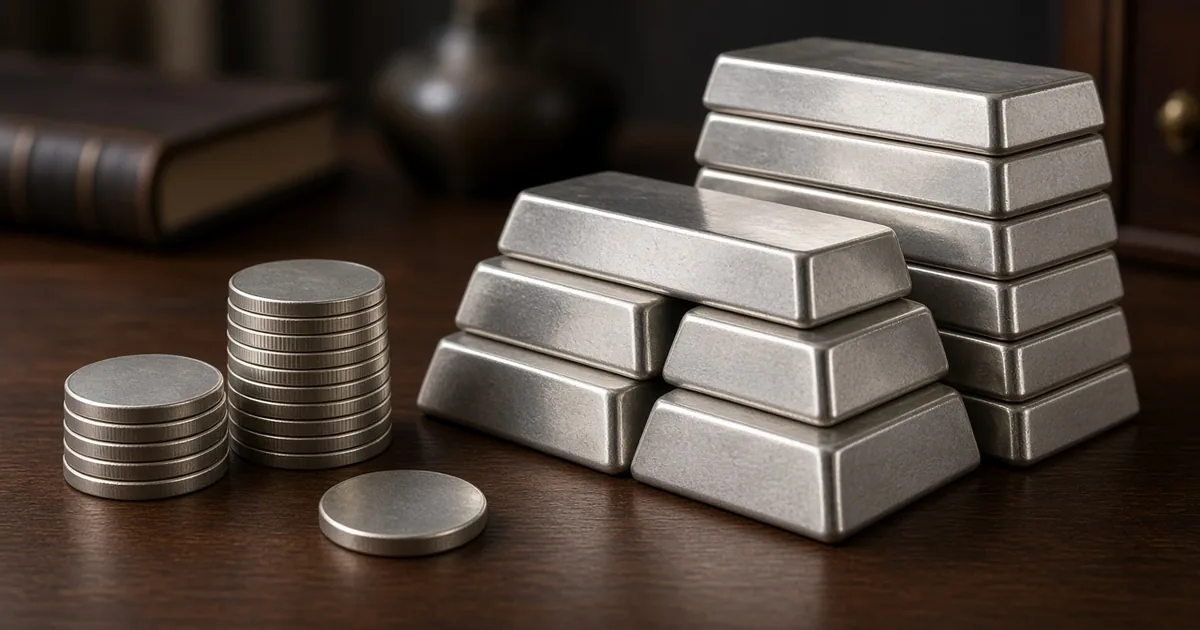
What a silver IRA actually is
A conventional brokerage IRA will typically let you invest in a silver mining stock, mutual funds, or a silver exchange-traded product. It will not title coins or bars in the IRA’s name. To invest in physical silver you need a self-directed structure: an IRA custodian, a dealer, and a depository.
The tax wrapper is still an IRA. You can fund it with a regular contribution, subject to contribution limits, or a direct, trustee-to-trustee rollover. An indirect rollover — a check payable to you — is a riskier path.
The silver does not sit in a personal safe. The IRS IRA FAQ, reviewed November 10, 2026, says qualifying bullion must stay in the physical possession of a bank or an IRS-approved nonbank trustee, including when an IRA-owned LLC buys the metal. Our gold IRA storage guide covers that rule.
Traditional IRA or Roth IRA
A silver IRA can be a traditional or Roth IRA — that is, a traditional or Roth account that holds eligible silver, not a third legal box.
In a traditional IRA, contributions may be deductible, subject to contribution limits and income limits, and the retirement account can have tax-deferred growth until withdrawals, when you generally pay taxes. Those tax advantages — including tax-free Roth withdrawals — are IRA tax benefits, not a silver benefit. Unlike traditional IRAs, a Roth is not prized for an up-front deduction.
Required minimum distributions
Required minimum distributions can apply later; see our RMD guide. In a Roth silver IRA, you contribute after-tax dollars. Qualified withdrawals can be tax free. Income limits and the usual Roth tests still apply.
Returns depend on silver prices, spreads, and fees — not on a guaranteed figure.
The IRS rule: silver is a collectible unless it fits the exception
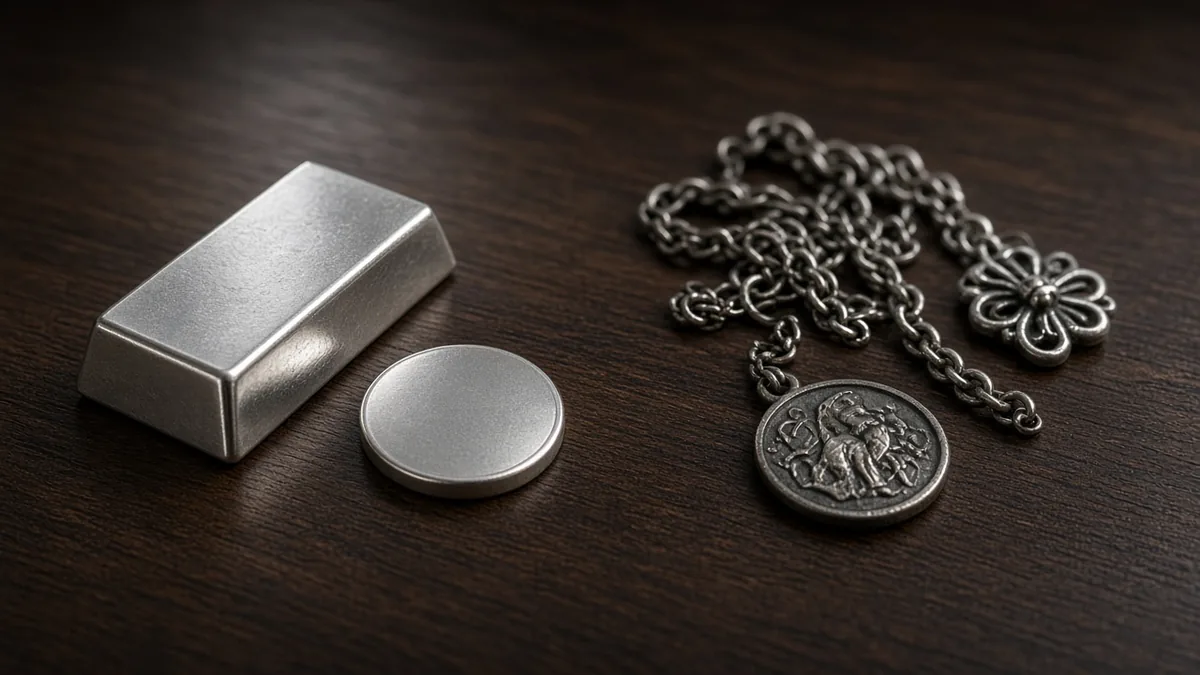
Under Internal Revenue Code section 408(m), an IRA’s purchase of a collectible is treated as a distribution equal to the cost of that item. Publication 590-A says the same in plainer language, and Publication 590-B notes an additional tax may apply under 59½.
Section 408(m)(3) carves out a narrow exception. The named-coin path excepts the American Silver Eagle described in 31 U.S.C. section 5112(e). Publication 590-A summarizes it as an IRA’s ability to invest in one-ounce silver coins minted by the Treasury Department.
The bullion-fineness path excepts gold, silver, platinum, or palladium bullion of a fineness a contract market requires for delivery, if a trustee has physical possession. The Code does not print “.999.” In current COMEX practice, those minimum fineness requirements are .999 for silver bullion. A Canadian Silver Maple Leaf or a bar from an accredited refiner can qualify when the fineness is met, a trustee holds it, and your custodian accepts it.
Not all silver qualifies. Jewelry, most collectibles, and many private rounds do not belong in the retirement account. Custodian lists can be tighter than the statute. Our guide to IRS-approved gold and silver covers both paths.
How a silver IRA is opened and funded
The entire process looks like a gold IRA: open a self-directed IRA, move IRA funds by direct transfer or rollover, and invest only in IRA approved silver through an IRA custodian, then ship it to an approved depository. The dealer, the custodian, and the depository are different roles. IRS rules require that you invest through that custodian.
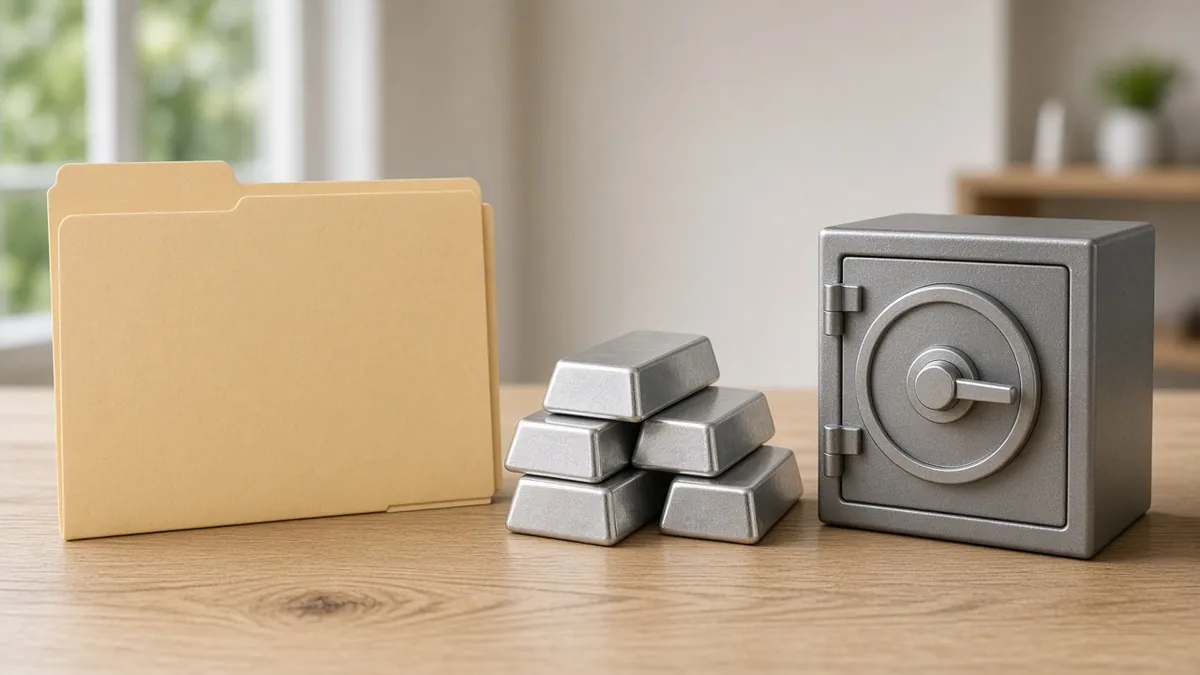
If the money is coming from a workplace plan, start with the rollover guide. You can hold silver alongside gold in the same self-directed IRA — and in the same precious metals IRA — if both products are eligible.
Precious metals IRA storage, retirement savings, and IRA approved silver
Physical silver in a precious metals IRA follows the same custody rule as gold. Eligible bullion qualifies only if a trustee has physical possession; there is no lawful home-storage silver IRA. The IRS requires trustee possession. In McNulty v. Commissioner, 157 T.C. No. 10 (2021), coins taken into a home safe from an IRA-owned LLC were a taxable distribution.
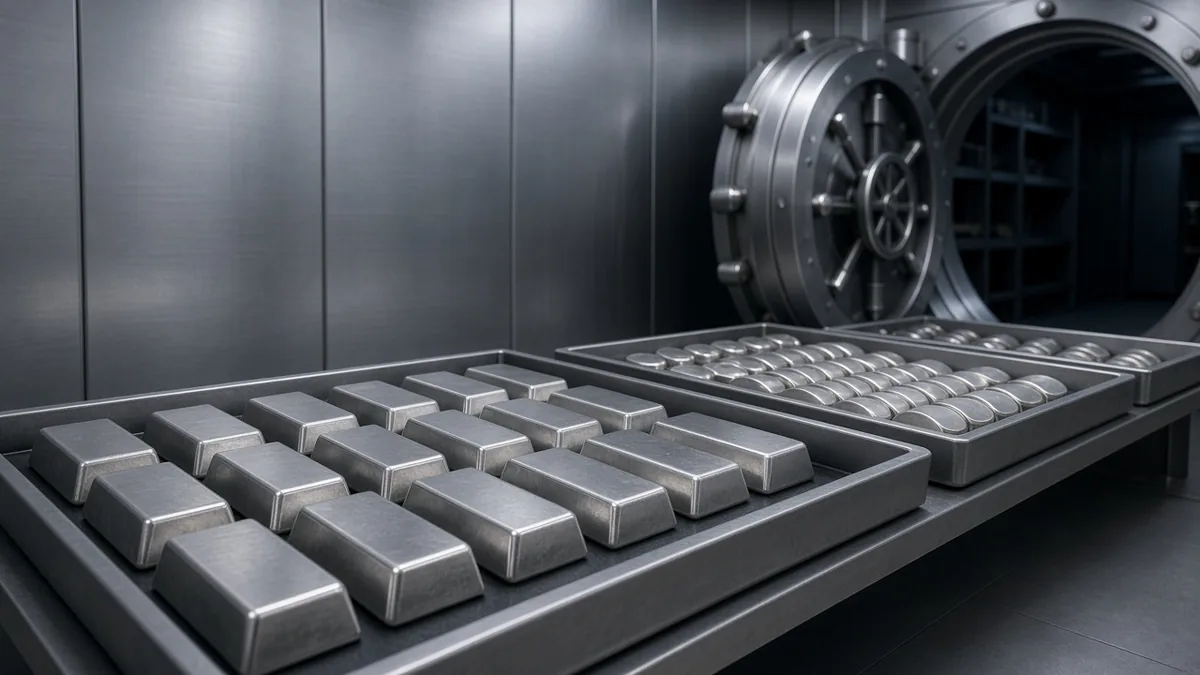
In practice, the IRA custodian uses a professional vault — an approved depository — for secure, insured storage. Segregated storage identifies your specific pieces; commingled storage gives you a quantity of the same type and purity and usually costs less. Get the arrangement and insurance in writing before you start investing in precious metals, ensuring IRS compliance.
Silver IRA fees: the same stack, a different metal
The IRS does not charge a fee to hold silver. A specialized custodian handles IRS compliance and annual administration and purchase fees, so investors face higher fees than with a regular IRA. The costs sit in the gold IRA fees stack: setup, annual custody, storage, and the dealer’s spread over spot. I will not invent a “typical” premium. The CFTC’s 2024 “Lies Versus Facts” flier notes that dealers sell above spot and buy below it, and that abusive spreads can be extreme. Get those numbers in writing.
Silver vs. gold, and vs. funds
A silver IRA and a gold IRA use the same legal wrapper. They are not substitutes. Silver has dual demand from industrial uses, including electronics, and from investment uses, which can mean more market volatility — not a promise of inflation protection in economic uncertainty. Physical silver has intrinsic value as metal, and no cash flow or dividends; liquidating it can take longer than selling stocks.
If your real question is physical metals versus a fund, start with a gold IRA versus a gold ETF. See IRA investment options.
Gold silver combinations, other IRAs, and the companies we review
IRAInvesting.com may earn a referral fee if you work with one of the gold IRA companies we review — American Hartford Gold, Augusta Precious Metals, GoldenCrest Metals, Goldco, or Noble Gold Investments. See our affiliate disclosure. Several of those companies also sell IRS-eligible silver, and Noble Gold works with all four eligible metals. That is a product-menu fact, not a ranking.
A regular IRA at a brokerage can hold funds or mining stocks; other IRAs of that type generally cannot title physical silver the way a precious metals IRA can.
A practical checklist before you buy
- Confirm the retirement account is self directed at a bank or IRS-approved nonbank trustee.
- Confirm each product is IRA approved and on the custodian’s list — Silver Eagle or .999 bullion.
- Move funds by direct transfer or direct rollover.
- Get price versus spot, buyback, storage fees, and custody fees in writing.
- Confirm the depository and that you will not take possession until a proper distribution.
- If the pitch leans on fear or guaranteed safety, read the scams and red flags guide.
A precious metals dealer should not be your only source of investment advice. This site does not provide investment advice on precious metals.
Is a silver IRA a good investment?
It can be a strategic move if you want physical silver inside a retirement account — not automatically a good investment, given spreads, storage, and swings. Prices can fall in market downturns and economic downturns, and market trends can affect investment returns. Paper currency risk is one reason some invest against traditional assets, not a promise; I will not invent a share of a retirement portfolio or of retirement savings. An IRA approved list gives more control over which eligible silver you invest in, not over custody. Talk with a financial advisor about your investment strategy.
Silver IRA FAQ
Is a silver IRA legal?
Yes, you can invest if the silver fits the section 408(m)(3) exception and a qualified trustee has physical possession. The same terms govern a precious metals IRA.
Which coins are IRS-approved for a silver IRA?
The statute excepts the American Silver Eagle. Other coins and silver bullion can qualify if they meet the fineness test and a trustee holds them. Your custodian’s list controls.
Can I store silver IRA coins at home?
No. Qualifying bullion must stay in the physical possession of a bank or IRS-approved nonbank trustee.
Are silver IRA fees lower than gold IRA fees?
Setup and custody fees usually attach to the IRA. Premiums and storage can differ. See the fees explainer.
Can I hold silver and gold in the same IRA?
Yes, if each product is eligible. You do not need two IRAs just to hold gold silver positions in one retirement account. Many people invest in both in one precious metals IRA.
Is a silver IRA safer than stocks?
No. A silver investment can lose value, and a large spread can make it hard to break even even if the spot price rises.
Do you pay taxes on silver if you sell it?
Inside a traditional IRA, a sale within the retirement account is not itself a taxable event; you generally pay taxes on distributions. In a Roth IRA, qualified withdrawals can be tax free; those tax benefits still depend on the usual Roth tests.
The bottom line
A silver IRA is a self-directed IRA holding IRS-eligible physical silver, stored by a trustee, and funded like any other IRA or rollover. It is one way to invest in a precious metals IRA. Under section 408(m), silver is a collectible unless a named-coin or bullion exception and trustee possession apply. For company names, use the companies hub.
Written by Tim Schmidt and reviewed for tax and account accuracy by Sean Webster, CPA. Last reviewed November 10, 2026 (America/New_York). This guide is for general education. It is not tax, legal, or investment advice, and it is not a recommendation to buy or sell any metal or to open any account. IRAInvesting.com is not a custodian, dealer, broker-dealer, or investment adviser. Before you act, talk with a licensed tax professional or adviser who can review your situation. Investing in precious metals involves risk, including the possible loss of principal. Metals can be volatile, and they do not pay interest or dividends. Past performance does not guarantee future results.