
Platinum and Palladium in an IRA: Rules, Use Cases, and How They Differ From Gold
A platinum IRA is not a separate account the tax code invented for one metal. It is a self-directed IRA — an individual retirement account that can hold eligible platinum, and sometimes palladium, the same way a gold IRA holds eligible gold. The tax advantages come from the IRA wrapper, not from platinum itself.
I keep part of my own retirement savings in physical precious metals after a gold IRA rollover, and I think of platinum and palladium as satellite holdings, not a substitute for a core plan or even a gold IRA. Sean Webster, CPA, reviews these guides. Company rankings for this precious metals cluster belong on our gold IRA companies hub.
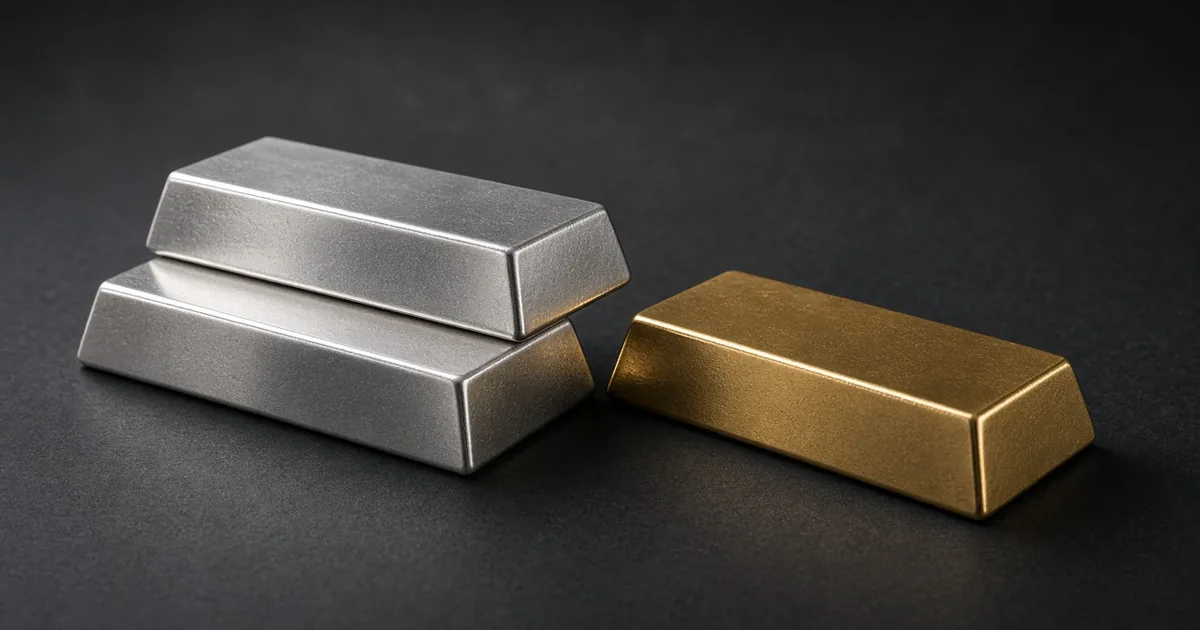
Precious metals and what a platinum IRA is
Precious metals IRA basics
A precious metals IRA is a self-directed retirement account that holds physical precious metals a qualified trustee will accept. You can fund it with a regular contribution or by transferring funds from an existing IRA or, when the plan allows it, another eligible retirement plan.
The metals are still subject to IRS rules. Under section 408(m), metals and coins are collectibles by default. Only the statutory exception, plus trustee possession, keeps a purchase from being treated as a distribution. The eligibility guide is the full product walkthrough. This page is about why someone adds platinum or palladium at all, and how those two metals differ from holding gold or other physical gold already in a gold IRA.
A precious metals IRA can be a traditional IRA or a Roth IRA. Contributions, withdrawals, and penalties follow the ordinary IRA rules, not a special platinum schedule. I will not project what $5,000 in an IRA would be worth in 20 years.
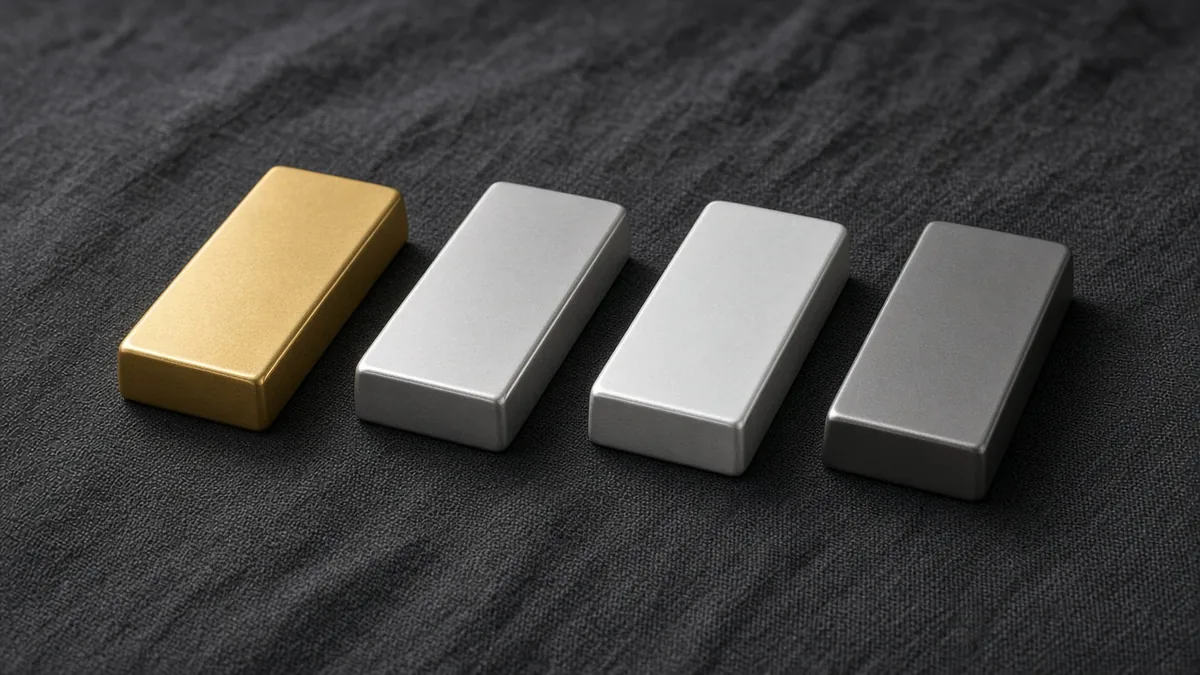
Gold silver platinum under IRS rules
Gold silver platinum, and palladium, are the four metals in the bullion exception in section 408(m)(3)(B). Minimum fineness comes from the futures delivery standard the statute incorporates, not from a decimal printed in the Code. In current practice, platinum and palladium must meet a minimum fineness of .9995. Gold’s bullion floor is .995. Silver’s is .999.
Platinum also has a named-coin path: the American Platinum Eagle described in 31 U.S.C. section 5112(k). Palladium does not have a named-coin exception in section 408(m)(3)(A). Palladium has to qualify as bullion.
Home storage is not allowed while the metal remains in the IRA. The IRS requires trustee possession, almost always at a professional depository. Storage and custodian fees apply the same way they do for a gold IRA, as explained in the storage and fees guides.
IRS regulations do not create a unique platinum product catalog. Your IRA custodian’s accepted list is the list that matters, and it is often shorter for these metals than for gold silver platinum coins in a typical gold IRA.
Platinum coins and platinum bars
Platinum coins that custodians may accept include the American Platinum Eagle and certain other sovereign issues that meet IRS standards on the bullion path. Confirm the exact coin, finish, and weight. Proof or “collector” versions are often rejected even when a bullion version of the same family is accepted.
Platinum bars can qualify when they meet the minimum fineness, come from a producer the custodian accepts, and go to the vault.
PAMP Suisse and other fabricators
Bars from well-known fabricators — PAMP Suisse is one name investors often see — may appear on accepted lists. That is not an endorsement or an IRS stamp. A bar still has to satisfy the fineness and possession tests, and your custodian still has to accept it. A trusted precious metals dealer should be able to show you that list, including any gold silver platinum products it actually vaults.
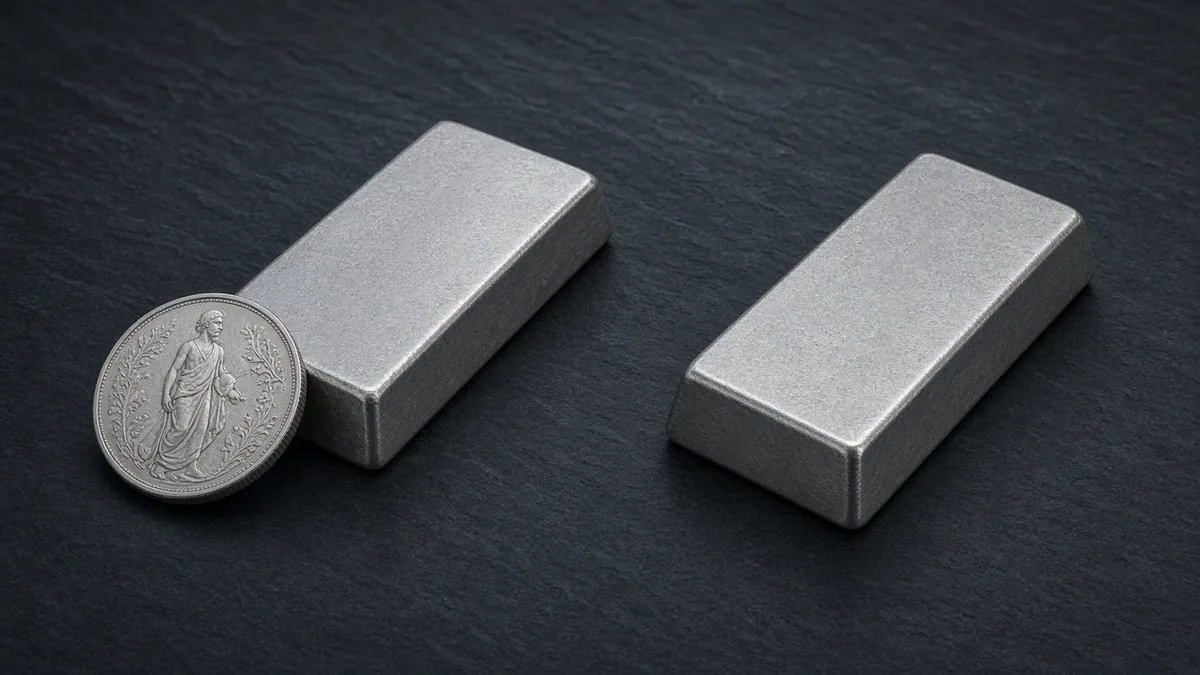
Palladium is bullion-only
Palladium’s path is narrower. There is no named U.S. palladium eagle in the collectibles exception. If palladium goes into the precious metals IRA, it is as palladium bullion that meets the .9995 test and sits with the trustee.
That tighter path is one reason some custodians simply will not hold it. A “palladium IRA” is still the same self-directed IRA, with a harder operational test.
Why these markets are thinner than gold
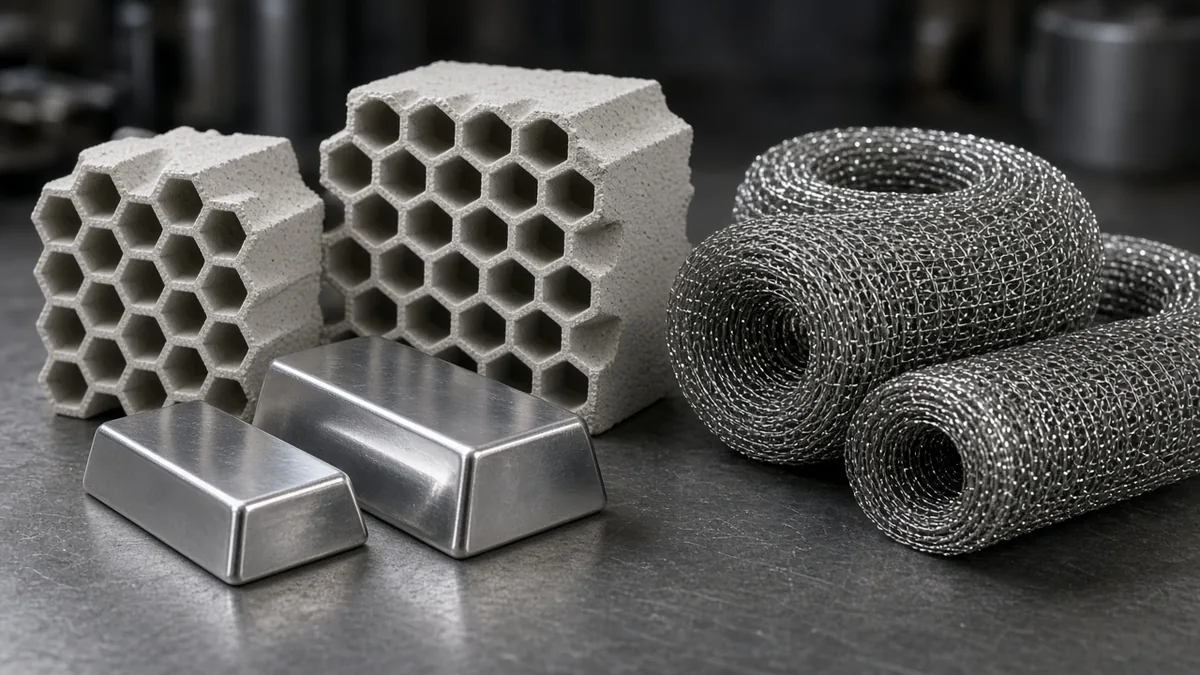
Gold is widely treated as a monetary metal. Platinum and palladium have substantial industrial use, including in catalytic converters, along with jewelry and investment demand. That industrial link can cut both ways. It is a source of real demand, and it is a source of price swings when auto production or substitution (between platinum and palladium, or with other metals) changes.
I will not repeat a marketing line that platinum is “30 times rarer than gold” without a primary geological source. Platinum is produced in far smaller quantities than gold. That does not make a platinum IRA a better hedge than holding gold.
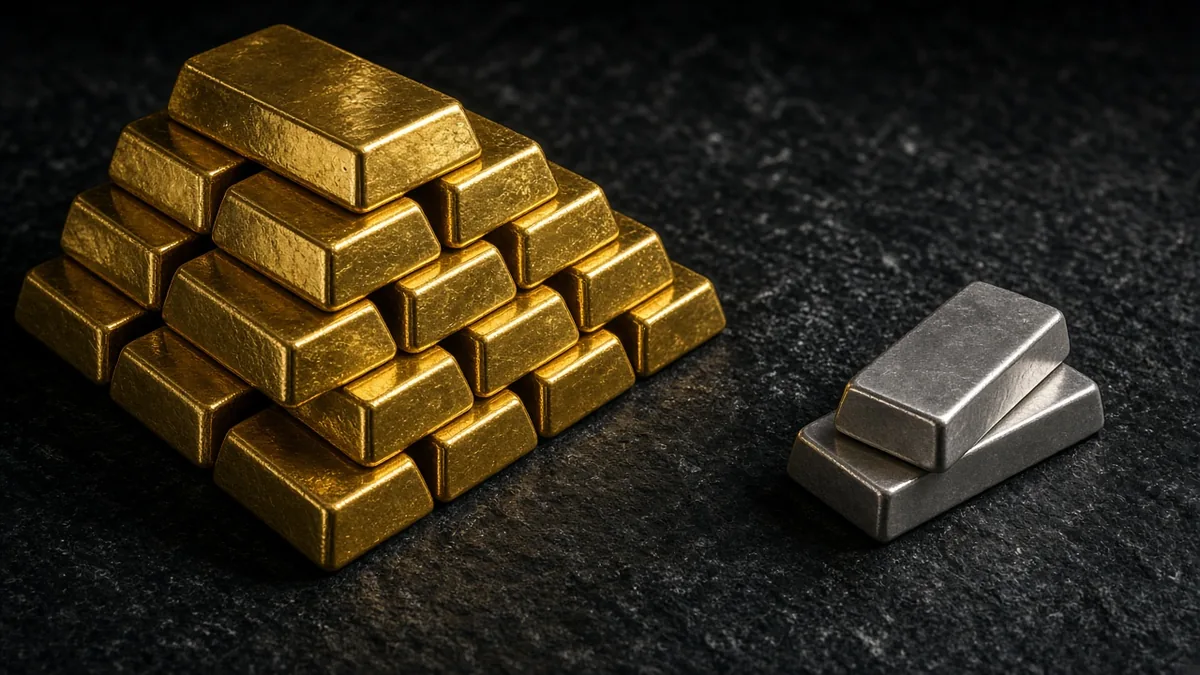
Thinner markets show up in the things investors feel: wider dealer spreads, fewer product choices, and sometimes a slower or less competitive buyback. Why is platinum hard to sell compared with gold? Often because fewer counterparties want that exact bar or coin, on that day, at a tight spread. That is a liquidity comment, not a forecast.
Silver, platinum, and palladium can all be more operationally awkward than gold inside the same account. A silver IRA at least has a very standard named coin and a deep retail bullion market. Platinum and palladium are niche relative to that.
Many investors turn to these metals after they already own physical gold, not instead of a diversified retirement portfolio.
Fees, storage, and tax treatment
A precious metals IRA involves higher fees than a typical brokerage IRA that holds stocks or mutual funds. You pay a dealer premium, custodian fees, and storage fees. Spreads on platinum coins and platinum bars, and on palladium, can be wider than the spreads on common gold coins.
The tax advantages are the IRA’s tax advantages. A traditional IRA may allow deductible contributions, within limits, and tax-deferred growth until withdrawals. A Roth IRA uses after-tax contributions and can allow tax-free qualified withdrawals. Required distributions and contribution limits follow ordinary IRA rules, which we cover in the contribution limits and RMD guides.
Precious metals do not pay interest or dividends. The result depends on the price of the metal, minus the costs of getting in and out.
If your actual goal is simpler exposure, a gold-focused fund inside a regular brokerage IRA may be the more liquid tool. That comparison for gold is in gold IRA vs gold ETF. I would not invent a “best platinum ETF” here.
Who actually offers platinum and palladium
Not every gold IRA dealer will sell all four metals, and not every IRA custodian will vault them.
Among the firms we review, Noble Gold Investments is the one that has marketed a four-metal menu — gold silver platinum and palladium — more clearly than the others. That is a product-menu fact, not a ranking and not a claim that Noble is the right firm for every IRA holder. American Hartford Gold, Augusta Precious Metals, GoldenCrest Metals, and Goldco are reviewed on our site primarily around gold (and, in some cases, silver) offerings; I am not going to invent a platinum inventory for them.
IRAInvesting.com may earn a referral fee if you work with one of those companies. See our affiliate disclosure. Confirm current products, minimums, and spreads in writing with the dealer and the custodian before transferring funds.
The dealer vs. custodian distinction still applies. A trusted salesperson is not the trustee.
A practical use case — and when I would not
I can see a modest allocation for someone who already understands gold, has a reputable custodian that will accept the products, and can live with a wider spread. I would not start a retirement plan with platinum alone. I would not buy it because of a fear pitch about economic uncertainty. I would not treat it as a safe haven just because it is a precious metal.
Jewelry-grade metal and industrial scrap are not a substitute for IRA-eligible bullion. If you want gold silver platinum, or palladium, in the account — the full gold silver platinum menu — buy products the custodian already knows how to vault. Holding gold is the more familiar version of that decision. Adding the others is optional, and it should survive a written price check.
Is a precious metals IRA a good idea? It depends on costs, time horizon, and whether you actually want vaulted metal rather than funds or stocks. Is platinum still a good investment? That is a market question I will not answer with a yes. Talk with a financial advisor if the dollars in precious metals are material.
Watch for the same red flags that show up in gold: collectible premiums, home-storage stories, and quotes that will not go on paper.
Platinum and palladium IRA FAQ
Can I hold platinum and gold in the same individual retirement account?
Yes, if each product is eligible and the custodian will accept both. You do not need a second legal account just to add another metal.
What fineness does platinum need for an IRA?
On the bullion path, the practical minimum fineness is .9995. The American Platinum Eagle has its own named-coin path. Palladium is bullion-only at .9995.
Can I store IRA platinum at home?
No. Trustee possession applies to these metals the same way it applies to gold and silver.
Why do some dealers push gold and not platinum?
Gold is the deeper, more familiar retail market. Platinum and palladium can be harder to source, price, and buy back.
Does a platinum IRA have different contribution limits?
No. Annual limits follow the ordinary traditional IRA and Roth IRA rules.
The bottom line
Gold silver platinum, and palladium, can all sit in a precious metals IRA if they fit the statute and the custodian’s list. Platinum has a named Eagle and a .9995 bullion path. Palladium is bullion-only. Both markets are thinner than gold, which usually means wider spreads and fewer easy exits. If you still want a position in your precious metals IRA, price it in writing, keep it in the vault, and treat it as a satellite in a precious metals plan, not as a gold silver platinum substitute for the whole portfolio.
Written by Tim Schmidt and reviewed for tax and account accuracy by Sean Webster, CPA. Last reviewed November 10, 2026 (America/New_York). This guide is for general education. It is not tax, legal, or investment advice, and it is not a recommendation to buy or sell any metal or to open any account. IRAInvesting.com is not a custodian, dealer, broker-dealer, or investment adviser. Before you act, talk with a licensed tax professional or adviser who can review your situation. Investing in precious metals involves risk, including the possible loss of principal. Metals can be volatile, and they do not pay interest or dividends. Past performance does not guarantee future results.