
IRS-Approved Gold and Silver for an IRA: Coins, Bars, and Purity Rules
“IRS-approved” is marketing language. The Code does not publish a shopping catalog of coins. The law treats most precious metals and coins as collectibles, then carves out a narrow exception. If a product fits that exception and a qualified trustee has physical possession, a self-directed IRA can hold it without the purchase itself being treated as a taxable distribution.
That is what IRA approved gold — and IRA-eligible silver, platinum, and palladium — actually means. I have completed a gold IRA rollover and care about this list because an ineligible coin can be taxed as a distribution in the year you buy it. Sean Webster, CPA, reviews these guides. This page is the eligibility guide, not a ranking of gold IRA companies.
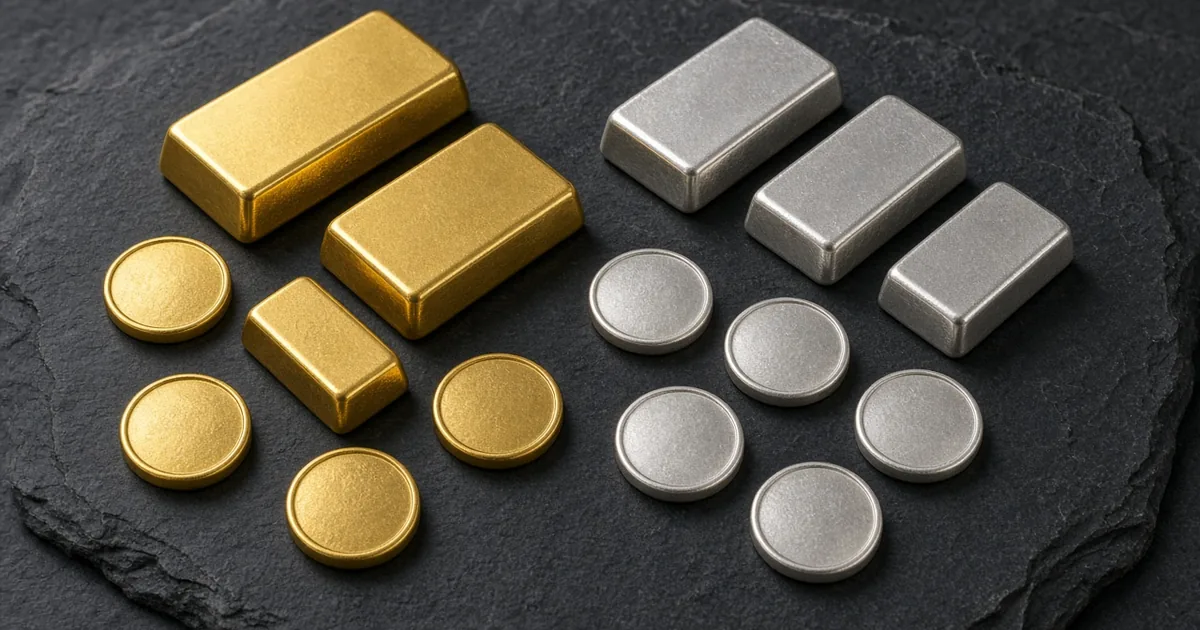
What IRA eligible actually means
Under Internal Revenue Code section 408(m), an individually directed account’s investment in a collectible is treated as a distribution equal to the cost of that collectible. The definition includes any work of art, any metal or gem, any stamp or coin, and certain other tangibles. Publication 590-A states the same rule.
Section 408(m)(3) then excepts certain coins and certain bullion. That exception is the entire legal basis for a precious metals IRA. There is no separate IRS “gold program.” A gold IRA lets you hold eligible gold and silver, or other IRA precious metals, inside an individual retirement account that is still a Traditional or Roth IRA — a tax advantaged account.
The statute is tighter than some sales pages. A coin can be genuine, popular, and 22-karat gold and still fail. The list that matters, on the day you buy, is the list your custodian will actually hold.
The two legal paths under section 408(m)

Named coins under the statute
Section 408(m)(3)(A) excepts specifically described coins. For gold, that includes gold coins described in 31 U.S.C. section 5112(a)(7), (8), (9), and (10) — the American Gold Eagle family. I am not treating a Canadian Maple Leaf as a named coin in section 408(m)(3)(A); if accepted, a Maple Leaf comes in on the bullion path because of fineness. For silver, section 408(m)(3)(A)(ii) excepts the silver coin described in 31 U.S.C. section 5112(e), the American Silver Eagle. For platinum, section 408(m)(3)(A)(iii) excepts the platinum coin in 31 U.S.C. section 5112(k), the American Platinum Eagle.
Those named coins do not have to meet the bullion-fineness test. That is why an American Gold Eagle can be IRA eligible at .9167 fine gold (22 karat) even though the bullion path requires higher purity.
Bullion that meets minimum fineness
Section 408(m)(3)(B) excepts gold, silver, platinum, or palladium bullion of a fineness at least as high as a contract market requires for delivery, but only if a trustee described in section 408(a) has physical possession. In current exchange practice, that is .995 for gold, .999 for silver, and .9995 for platinum and palladium — or, as dealer sites often put it, “gold must be 99.5 percent fine” for gold bars and most bullion coins. That is the bullion path, not a universal rule for every gold coin.
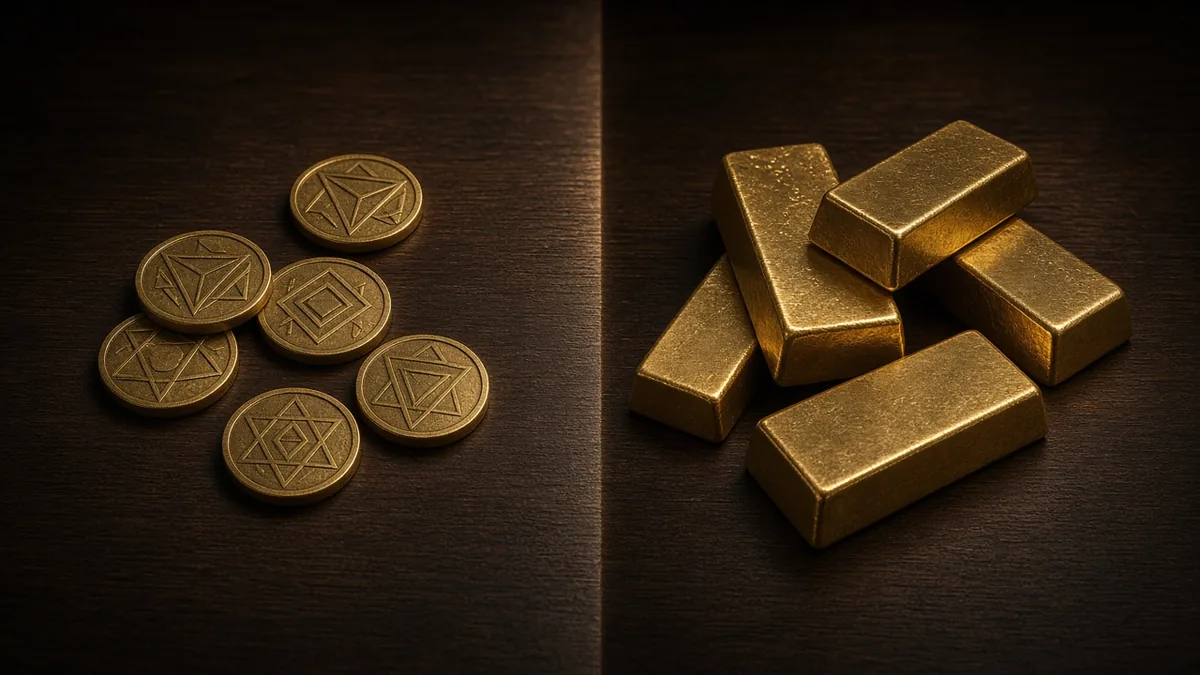
Palladium has no named-coin exception in section 408(m)(3)(A). If it is going into the retirement account, it has to qualify as bullion.
IRS-approved gold coins for IRA
IRA gold
The gold coins below are the gold products people actually shop for. I am describing statutory paths and common custodian practice, not an IRS endorsement.
American Gold Eagles
American Gold Eagles are the most commonly discussed approved gold coins and are named in the statute, so the .9167 fineness is not a disqualifier. The U.S. Mint’s American Eagle gold bullion page, reviewed November 10, 2026, states the composition is 91.67% gold, 3% silver, and the balance copper (22-karat), and that a one-ounce coin contains one gold troy ounce. That 91.67 percent figure is the gold purity of the alloy, not the .995 bullion-path floor. Most custodians will accept uncirculated gold coins in the standard Eagle weights; proof and graded gold coins are discussed below.
American Gold Buffalos
American Gold Buffalos are .9999 fine gold, which meets the bullion test for pure gold. They are not in the short named-coin list the way Eagles are, so they generally come in on the bullion-fineness path if the IRA custodian accepts them. Confirm the product, not just the family name, before you treat them as IRA gold.
Canadian Gold Maple Leafs
A Canadian Gold Maple Leaf is .9999 fine gold, well above the bullion-fineness floor. Those Gold Maple Leaf coins are widely treated as IRA eligible gold when they are bullion issues from the Royal Canadian Mint, on the bullion path — not because I am reading them into the named-coin list. A Silver Maple Leaf from the Royal Canadian Mint follows the same bullion path. Proof or special finishes may be rejected even if the metal content is the same.
Austrian Gold Philharmonics
Austrian Gold Philharmonics are modern bullion coins, typically .9999 fine. They usually qualify, if at all, as bullion rather than as named U.S. coins. The custodian’s list controls.
Certain foreign coins that still fail
A South African Krugerrand is typically .9167 fine — the same fineness as an American Gold Eagle. It is not a named coin in section 408(m)(3)(A), and .9167 does not meet the .995 bullion test. That is why certain gold coins, including Krugerrands, are generally not IRA eligible. Pre-1933 U.S. gold coins and most other rare coins fail for the same reasons: they are collectibles, they are not on the named list, and they usually do not meet bullion fineness as ordinary gold bullion.
IRA-eligible gold bars and bullion bars
Gold bars — sometimes called gold bullion bars — can be IRA eligible gold bullion when they meet the fineness test, come from a producer your custodian accepts, and are stored by the trustee. There is no official IRS “approved refiner” poster. Custodians typically limit gold bars to well-known fabricators and to exact weight specifications. Ask for the accepted-bar list before you buy gold bars or other physical gold. If you want to hold physical gold bullion, buy a gold product the custodian will receive. A precious metals IRA is not a way to hold jewelry, scrap, or a decorative ingot of uncertain fineness.
IRA-eligible silver
American Silver Eagles
American Silver Eagles are the named silver coin. They are also .999 fine silver, so they would meet a bullion test as well, but they do not need to lean on that path.
Other silver coins and fine silver bars
Other sovereign silver coins and fine silver bars can qualify on the bullion path when they are .999 (or finer) and a trustee holds them. A Canadian Silver Maple Leaf and similar modern bullion issues often appear on custodian lists for that reason. See the silver IRA guide.
Silver rounds and why they are usually rejected
Silver rounds — private-mint discs that look like coins but are not legal tender — are a frequent “no.” Some might meet a fineness test as bullion, but many custodians will not accept them. Do not buy a round because a salesperson says it is “just as good as an Eagle.”
Platinum bullion and palladium bullion
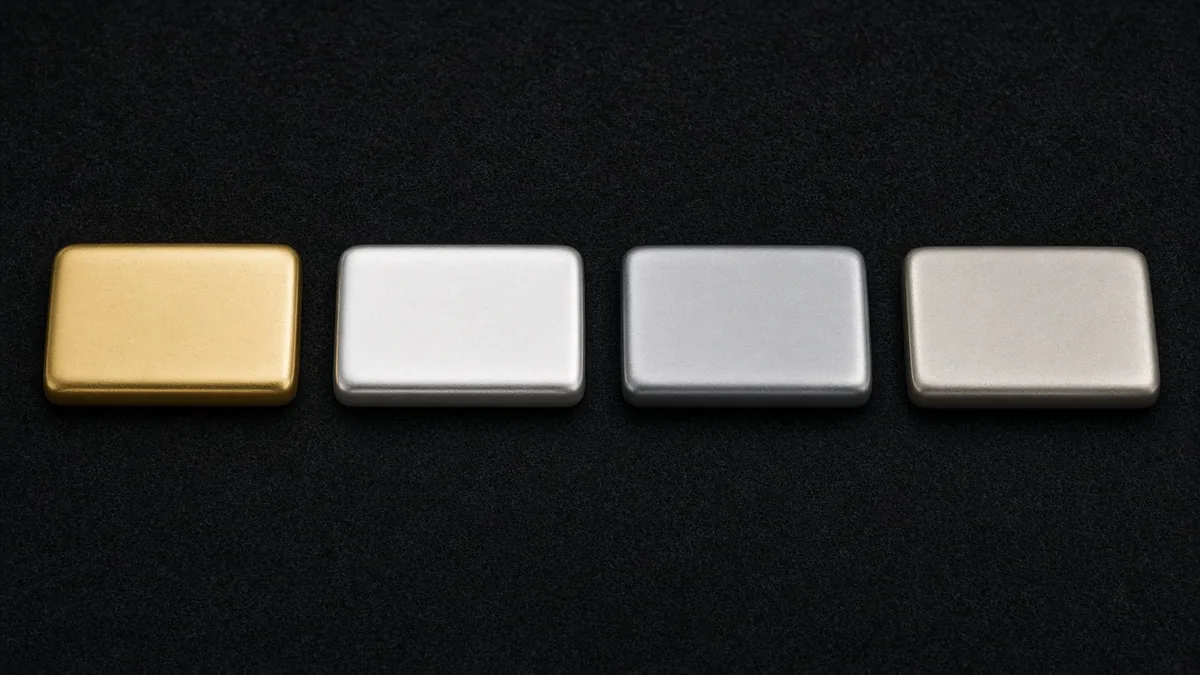
Gold, silver, platinum, and palladium are the four precious metals in the bullion exception. Platinum has a named American Platinum Eagle and a bullion path at .9995. Palladium is bullion-only at .9995. Detail belongs in the platinum and palladium IRA guide. The other three precious metals follow the same collectibles rule as gold, with different named coins and fineness floors.
Proof coins, collectible coins, and collector premiums
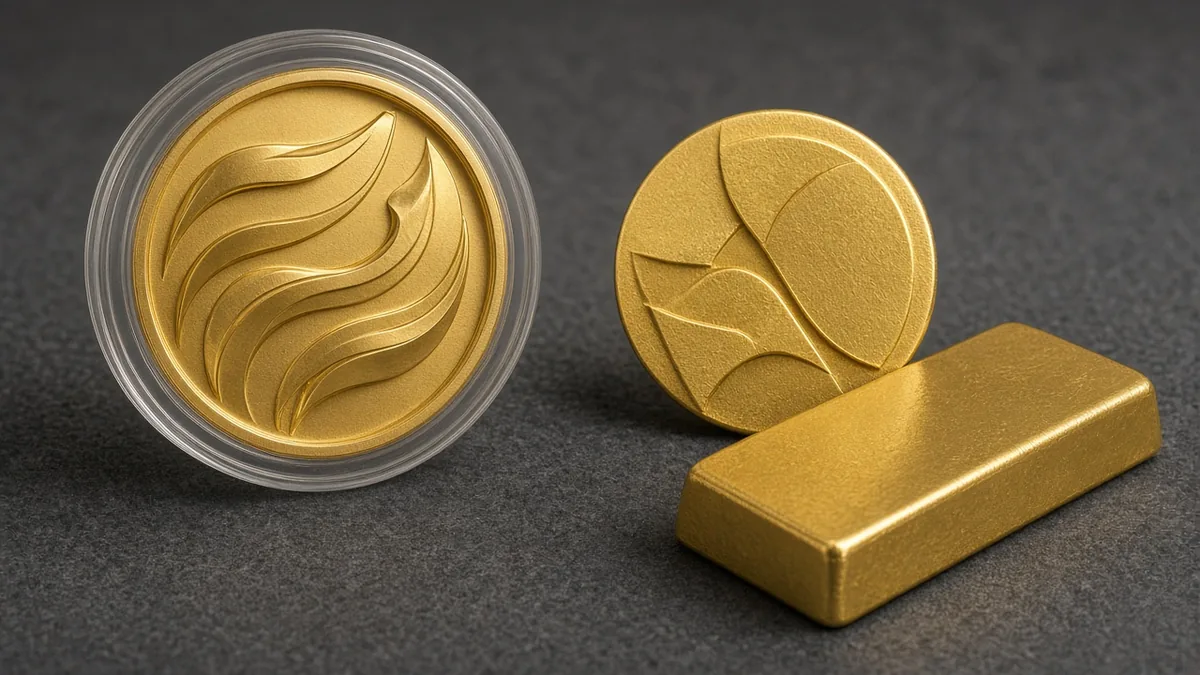
This is where people overpay. Proof coins, coins sold in original mint packaging as collectibles, graded slabs, and anything priced for numismatic value rather than melt value are usually a bad fit for a precious metals IRA — and often ineligible. Even a proof American Eagle can be rejected, even though bullion gold coins such as an Eagle are a staple.
Numismatic coins and collectible coins are what section 408(m) is trying to keep out. “Semi-numismatic” is a marketing term, not a statutory category. If the pitch is about rarity or a higher resale story, you are probably no longer shopping for IRA eligible gold bullion or other physical bullion. Most custodians want brilliant uncirculated bullion coins. Ask the custodian.
State-issued coins: a narrow statutory path
Section 408(m)(3)(A) also excepts coins issued under the laws of any state. That path is real and narrow. A piece marketed as a “state coin” may not have been issued under state law. I would not buy one unless the custodian confirms, in writing, that it will accept that specific product.
Storage: eligible precious metals still have to stay with a trustee
Eligibility does not replace storage rules. Qualifying gold bullion is excepted only if it is in the physical possession of a bank or an IRS-approved nonbank trustee. IRS rules and the IRS IRA FAQ, reviewed November 10, 2026, say you may not store that bullion at home, including through an IRA-owned LLC. Marketing talk about an “IRS-approved depository” is looser than the statute. In practice, an IRS-approved custodian uses a professional vault. You cannot hold physical gold at home and keep the IRA intact.
What custodians actually accept is often tighter than the statute
A self-directed IRA custodian does not have to offer every product that might fit the statute. Many will hold only a short menu of bullion coins and gold bars. That is the custodian managing vaulting and buybacks, not the IRS shrinking the Code.
Approved precious metals IRA products in a retirement account
Before you buy precious metals for a precious metals IRA:
- Get the custodian’s current accepted-product list.
- Match the exact mint, weight, and finish — bullion versus proof.
- Confirm the precious metals will ship to the depository, not to you.
- Get the quote versus spot in writing, using the fees and scams guides as a check.
- Remember that the dealer, custodian, and depository are different roles.
IRAInvesting.com may earn a referral fee if you work with one of the firms we review. See our affiliate disclosure.
A practical buying checklist
You can invest in gold in a self-directed retirement account, and hold gold and silver in the same individual retirement account, if each product is eligible. You can also hold a gold ETF or mutual funds in an ordinary brokerage IRA, compared in gold IRA vs gold ETF. Physical metal is a tangible asset with storage and spread costs. A taxable-account sale can involve capital gains or collectibles tax. Retirement savings limits are the ordinary IRA contribution limits, not a special retirement investment allotment. If gold bullion or gold bars are not on the custodian list, do not argue the statute while the wire is pending.
Eligibility FAQ
What does IRA approved gold mean?
That means gold that fits the section 408(m)(3) exception — a named coin, or bullion that meets the applicable fineness — and that a qualified trustee will possess. It is not an IRS sticker.
Can I invest in gold in my IRA?
Yes, in a self-directed retirement account — a precious metals IRA — if the gold is eligible and properly stored. Traditional IRAs and Roth IRAs can both be used as the wrapper.
Does the IRS know if I buy gold?
A gold IRA purchase is an IRA transaction, and the custodian has IRS reporting duties.
Are pre-1933 or collectible issues IRA eligible?
Generally no. Collectible and numismatic issues are what the collectibles rule reaches.
Can I buy gold that is not reported to the IRS?
That is the wrong question for an IRA. If someone is selling you “eligible” coins as a way to stay off a reporting system, treat it as a red flag.
Do proof coins qualify if they are American Eagles?
Sometimes a custodian will refuse them even though a bullion Eagle is accepted. Ask before you pay a proof premium.
The bottom line
Eligible gold and silver for an IRA is a statutory exception, not a brand. Named gold coins such as American Gold Eagles and American Silver Eagles have their own path. Most other approved precious metals — gold bars, gold bullion, and similar physical gold — have to meet bullion fineness and trustee possession. Proof coins, Krugerrands, jewelry, and most collectibles do not belong in the account. Get the custodian’s list in writing, then price the precious metals, then fund the rollover.
Written by Tim Schmidt and reviewed for tax and account accuracy by Sean Webster, CPA. Last reviewed November 10, 2026 (America/New_York). This guide is for general education. It is not tax, legal, or investment advice, and it is not a recommendation to buy or sell any metal or to open any account. IRAInvesting.com is not a custodian, dealer, broker-dealer, or investment adviser. Before you act, talk with a licensed tax professional or adviser who can review your situation. Investing in precious metals involves risk, including the possible loss of principal. Metals can be volatile, and they do not pay interest or dividends. Past performance does not guarantee future results.